
Updates
Mycopunk update history and patch notes in context: the Early Access cycle, the cryo and Ouroboros updates, the 1.0 launch and post-launch changes.
Introduction
Mycopunk spent roughly fifteen months in Early Access before reaching 1.0 on October 20, 2026, and the patch history is the clearest record of how the game actually changed shape. Early updates built out the regions and mission types, a mid-cycle wave introduced Pattern Infusion and the Ouroboros roguelike, and the Freeze and Fester cycle laid the groundwork for the cryo system that 1.0 depends on. The launch update itself added the fifth employee, a new moonlet region called X11-B, the Fulfillments achievement track and a full localization pass across ten languages. Reading updates as ecosystem changes rather than as lists of bullet points is the fastest way to understand why the current game looks the way it does.
Update Cycle Reference
| Update | Focus | Why It Mattered |
|---|---|---|
| Early Access launch | July 2025 | Established the mission loop, the upgrade grid and the four starting employees |
| World update | Procedural levels | Made every region generate different maps while keeping the hand-made ones available |
| Infusion and Ouroboros cycle | Mid Early Access | Added Pattern Infusion, Antimass Substrate and the roguelike mode with Contraband rarity |
| Freeze and Fester cycle | 2026 | Introduced the cryo system and its four activated cryo upgrades |
| 1.0 launch | October 20, 2026 | Added the Mycologist, X11-B, Fulfillments, a HUB rework and a ten-language localization pass |
Update Timeline
1.0 Launch
Major — The launch update
Cryo Cycle
System Origin — Where the freeze system came from
Ouroboros Cycle
Mode Origin — The roguelike and its rarity
Rename Pass
Reference — Terminology that moved
World Update
System Origin — Where procedural levels came from
Core Mechanics
Updates arrive as numbered patch notes published on the official Steam news hub, and they range from small balance passes to updates that add an entire region or mission type. Content updates tend to arrive with a named theme, such as the world update that introduced procedural levels, or the enemy update that broadened the roster. Between those, interim patches handle balance, bug fixes and quality-of-life changes, and those are the notes that matter most to an ongoing build, because a renamed grenade or an adjusted drop rate can invalidate a guide overnight. The 1.0 release also changed how the game presents information, with a HUB rework and a Drop Pod redesign alongside the new systems.
Advantages
The developers communicate changes directly in patch notes and are unusually candid about the state of individual systems, including noting when something displayed in game does not actually exist. Content arrives at a steady pace: regions, mission types, weapons and enemies have all been added incrementally rather than saved for a single event, so a player who leaves and returns finds genuinely new material each time. The 1.0 release also consolidated a lot of drift, adding localization across ten languages and marking the point where renames, such as Acid Grenade to Caustic Grenade, were finalised. That means guides written after launch are less likely to be invalidated by terminology changes.
Challenges
Frequent updates are also the main reason written guides go stale. A balance patch can move a weapon from strong to marginal without changing its description anywhere, and renames make older articles actively confusing rather than merely out of date. Because the game was in Early Access for over a year, a large volume of community content, including videos and older guides, describes systems that have since changed. The 1.0 launch also introduced several systems with minimal documentation, including Fulfillments and the new region X11-B, and the developers have been explicit that some details are deliberately left for players to discover.
Frequently Asked Questions
When did Mycopunk leave Early Access?+
Do patch notes rename things I might already know?+
Is there a roadmap for what comes next?+
Quick Tips
Read balance sections of patch notes even if you skip the rest. Weapon and upgrade tuning decides which builds are worth assembling at any given time, and a note that reduces a module's effectiveness can quietly undo hours of grid planning. Content additions are exciting but rarely change what you should be doing this week, whereas a balance pass often does.
Expect renames after any major update. The 1.0 release changed two grenade names and the Early Access period renamed Explosive Bullets to Combustive Rounds. If a guide describes something you cannot find in the Codex, search the patch notes for a rename before concluding the item was cut from the game.
Check the Codex after a patch rather than trusting memory. It lists every weapon, upgrade and skin in the game along with the data logs you have found, which makes it the most reliable way to confirm what still exists and what it is currently called. Anything you cannot find there has genuinely changed.
Featured
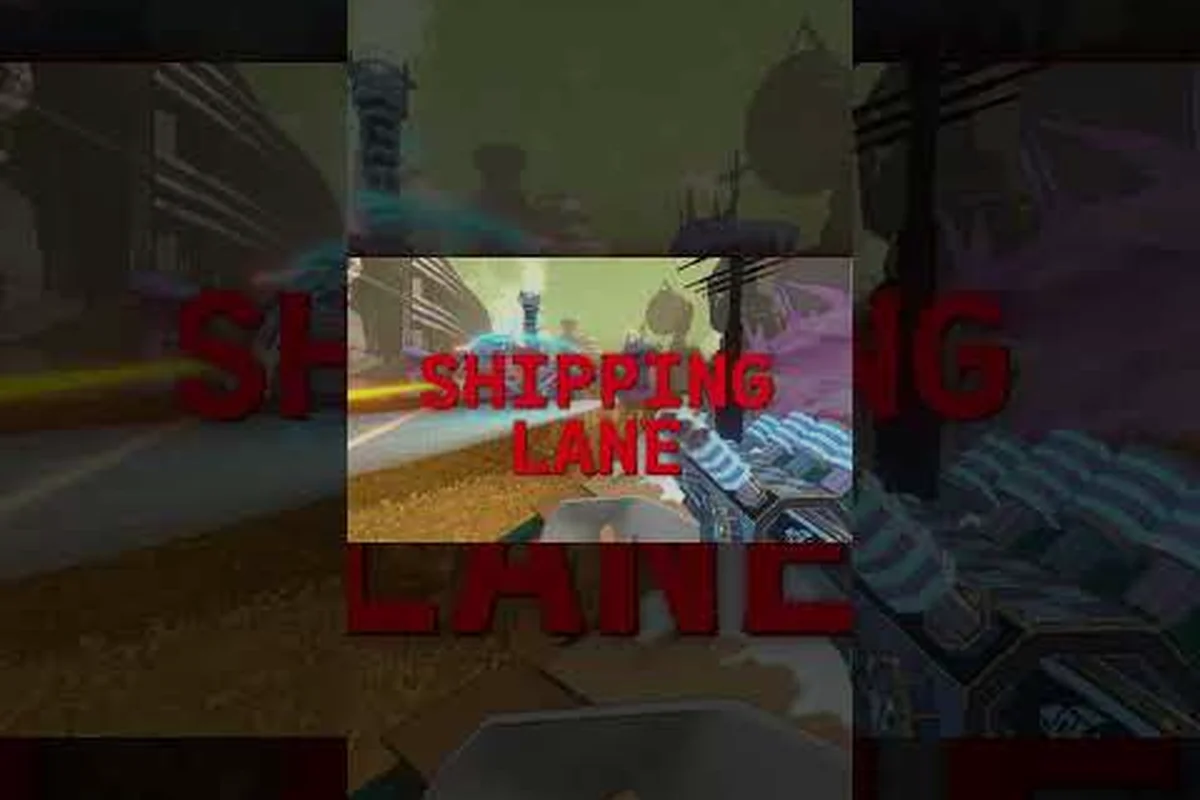
Mycopunk Oxythane Breach Update: 1.9.5 Changes & Beta Branch
Break down the Mycopunk Oxythane Breach update — 1.9.5 Escalation additions, modding resources, Steam Charts shifts, and how to join the beta branch.
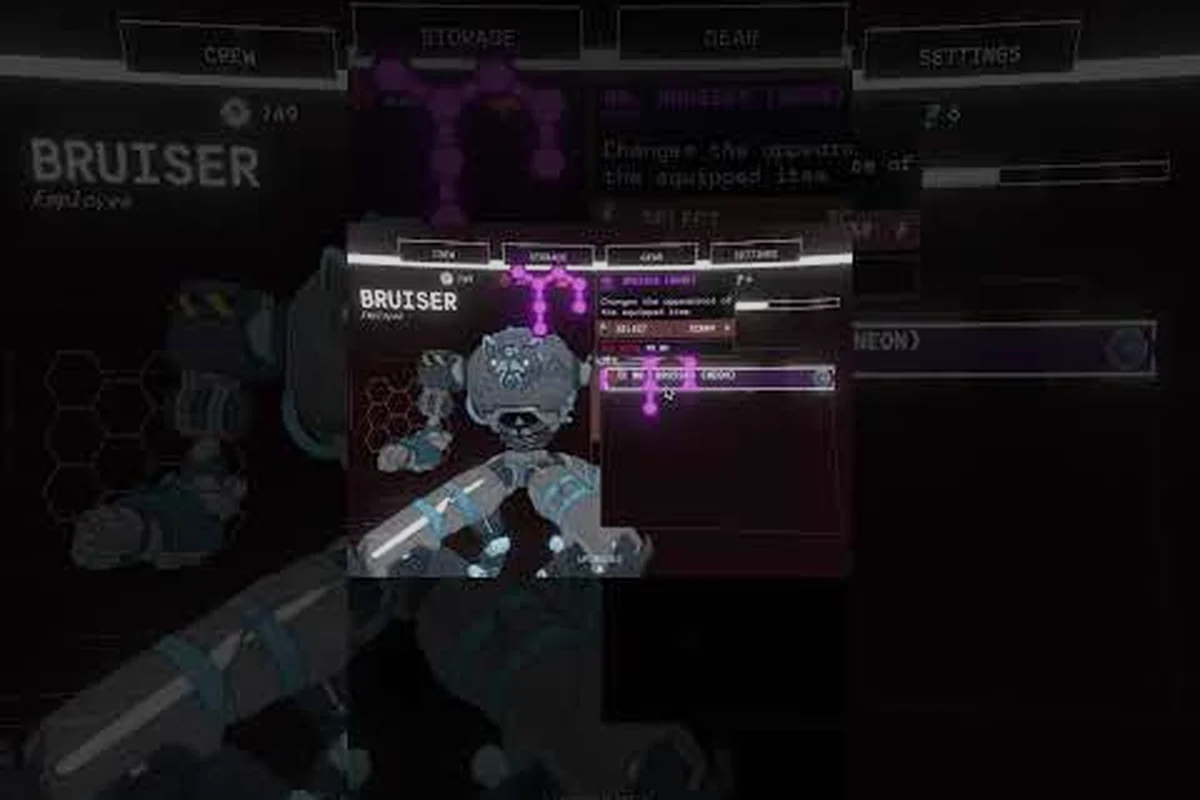
Mycopunk Pigeons at Play: Studio Behind the Looter Shooter
Get to know the studio behind Mycopunk, the Devolver Digital partnership, and major content updates like Freeze and Fester and Ouroboros.
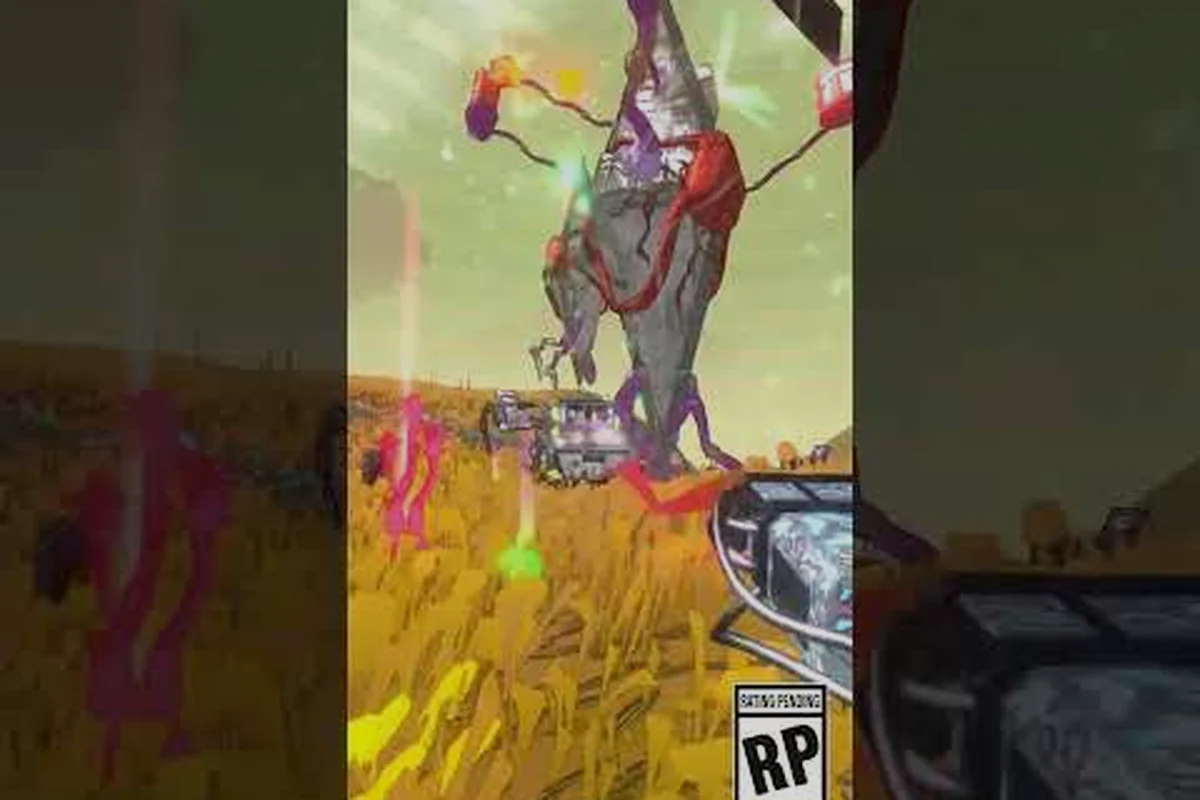
Mycopunk Full Release: Launch Date, Price & Supporter Pack
Explore the Mycopunk full release — 1.0 launch on October 20 2026, Steam Deck support, pricing history, and what the Supporter Pack adds.
All Articles
Mycopunk Patch Notes: Every Update From Early Access Through 1.0
Track every Mycopunk patch notes entry from Early Access through the 1.0 release — balance changes, new content, and what the next update brings to the loot shooter.
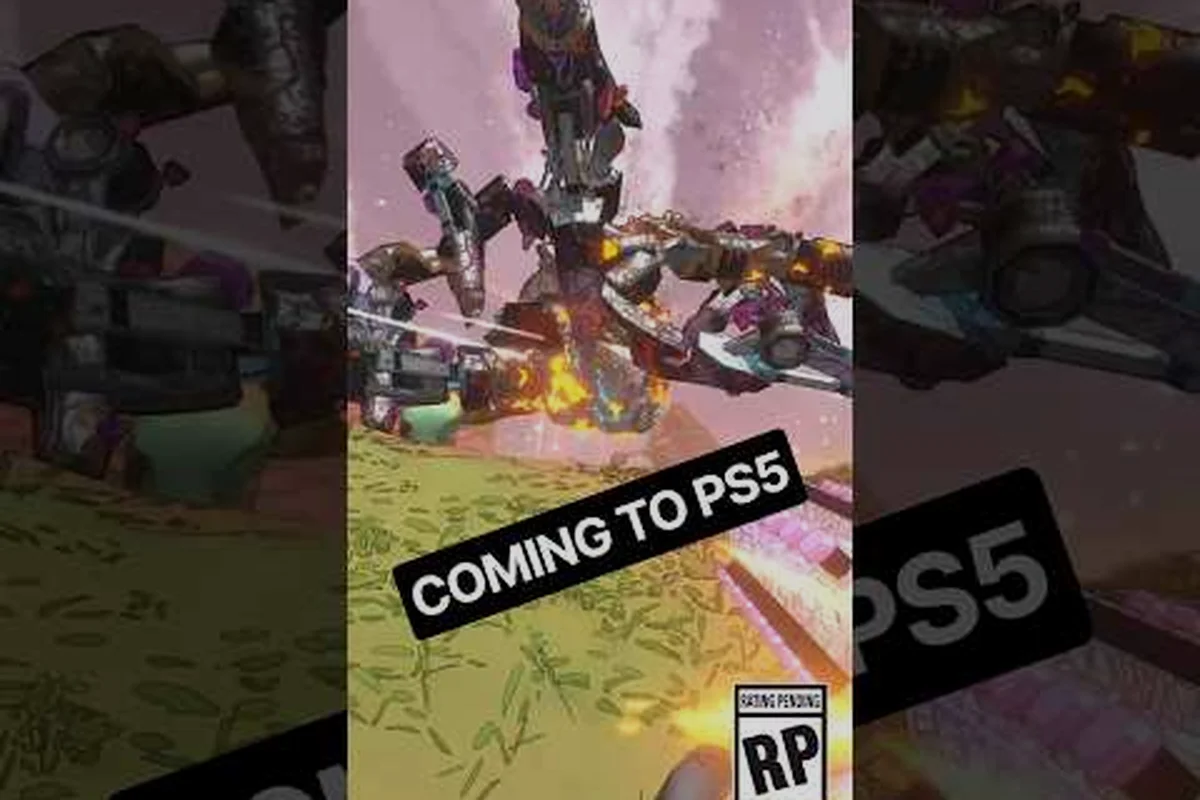
Mycopunk PS5: Console Release, Price & Soundtrack DLC
Find out everything about Mycopunk on PS5 — console launch details, pricing, discount history, and the separate Soundtrack DLC.
Mycopunk Known Issues: Bug Fixes, Balance & 1.0 Roadmap
Stay on top of Mycopunk known issues — active bugs, recent balance changes, and where the 1.0 roadmap stands after each hotfix.