
Upgrades
How Mycopunk upgrades work: hexagonal patterns, the shared cell budget, rotation tiers, Pattern Infusion and Turbocharging explained for real builds.
Introduction
Upgrades are the heart of Mycopunk and the reason its build-crafting feels different from a normal looter shooter. Every module you pick up is not a stat line but a shaped pattern of hexagonal cells, and every pattern you equip competes for the same finite grid. Two players can own identical upgrades and end up with completely different builds simply because one of them fits the pieces together better. On top of that, upgrades come in rarity tiers that govern what you can do with them, from simple rotation up to Pattern Infusion and Turbocharging. This section explains what each rarity actually unlocks, how infusion and turbocharging change a module, and which parts of the system the developers have deliberately left undocumented.
Rarity, Rotation and Unlock Ladder
| Rarity | Rotation Unlocks | Where It Comes From | Notes |
|---|---|---|---|
| Standard | Player level 3 | Baseline mission drops | Cheap filler patterns that keep a grid flexible |
| Rare | Player level 8 | Normal and high-threat missions | The workhorse tier for most of the early game |
| Epic | Player level 16 | Threat 4+ missions, Ouroboros | Where weapon-specific upgrade pools start to matter |
| Exotic | Player level 30 | Deep runs and high threat tiers | The only tier that can be Turbocharged with Strange Components |
| Contraband | Ouroboros only | Exclusive to the roguelike mode | Lost when the run ends unless it is cleansed |
Grid Systems
Pattern Infusion
HUB System — Shrink a pattern, spend Antimass
Turbocharge
Exotic Only — Strange Components for a new ability
Rotation Ladder
Quality of Life — Rarity decides when you can turn
Ouroboros Cleanse
Roguelike Rule — What survives a roguelike run
Boundary Incursion
Oddity — Oddity rewards from weapon level 32
Core Mechanics
Every upgrade occupies a hexagonal pattern, and the grid you place it into is shared with your weapon, employee and grenade modules. Rotation is gated by rarity: Standard patterns can be rotated from level 3, Rare from level 8, Epic from level 16, and Exotic or better from level 30, which means two players at different levels can own the same module and only one of them can turn it to fit a tight corner. Pattern Infusion, introduced in the mid-2026 update cycle, spends Antimass Substrate at the Pattern Infuser in the HUB to push one module's pattern into another; removing more cells costs more Antimass. Turbocharging is a separate track that consumes Strange Components to add an entirely new ability to an exotic module rather than merely raising its numbers.
Advantages
The grid makes every pickup meaningful. Because fit matters as much as raw power, a common module with an awkward shape can be worse than a rare one that slots into a gap, and that tension keeps low-rarity drops relevant long after you would have vendored them in another game. Infusion then gives you a release valve: when a beloved exotic simply refuses to fit, you can shrink its footprint instead of abandoning it. Turbocharging adds build-defining choices on top, because a turbocharged exotic gains a new ability rather than a percentage, and some of those abilities change which element a weapon applies. Together these systems mean a mature grid is genuinely yours rather than a checklist of best-in-slot items.
Challenges
The same design creates real friction. A strong drop that does not fit is worth nothing until you can afford infusion, and Antimass Substrate only starts flowing after player level 13, so the mid-game can feel like a collection of unusable pieces. Rotation being locked behind rarity is not obvious in game, and players regularly conclude that a module is broken when it simply cannot be turned yet. Turbocharging consumes Strange Components you may prefer to save, and Ouroboros strips your grid at the start of every run, so a build you spent hours assembling does not carry over unless you cleanse it. Finally, the developers have never published a complete upgrade list, so treat any site claiming a total count with suspicion.
Frequently Asked Questions
Why can I not rotate an upgrade I just picked up?+
What does Pattern Infusion actually do?+
Should I cleanse upgrades in Ouroboros or let them go?+
Quick Tips
Lay out your grid before you commit to anything. Place the modules you consider non-negotiable first, then fill gaps with cheap patterns, and only then look at what is left over. Building the other way around, by equipping the newest shiny drop first, is the fastest way to discover that nothing else fits and that you must scrap half a build to accommodate one module.
Do not ignore low-rarity patterns. Standard and Rare modules are often the only shapes that fill the awkward corners left by exotics, and because rotation unlocks at level 3 and 8 respectively, you can actually turn them while your exotics are still locked. A grid of small, adjustable pieces frequently outperforms a grid of large fixed ones during the level 3 to 16 window.
Save Strange Components until you know which exotic you intend to keep. Turbocharging adds a new ability rather than a stat increase, so it is only worth spending on a module that will still be in your grid in twenty hours. If you are unsure, run the module through a few Ouroboros attempts first: the one you find yourself cleansing every time is the one worth turbocharging.
Featured
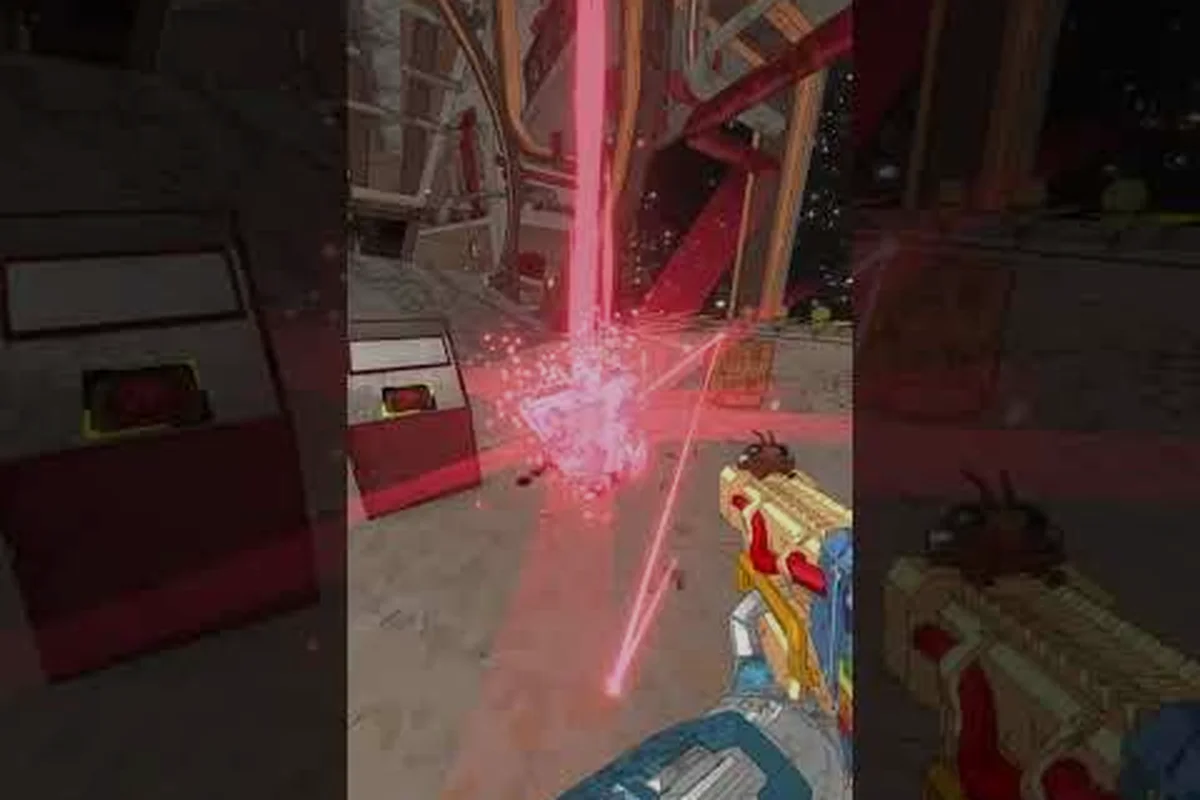
Mycopunk Exotic Upgrades: Rarest Patterns, Phantom Limb & Infuser
Hunt the rarest Mycopunk exotic upgrades — track Phantom Limb's phantom shots, Contraband-tier patterns, and 1.0 Pattern Infuser strategies worth chasing.
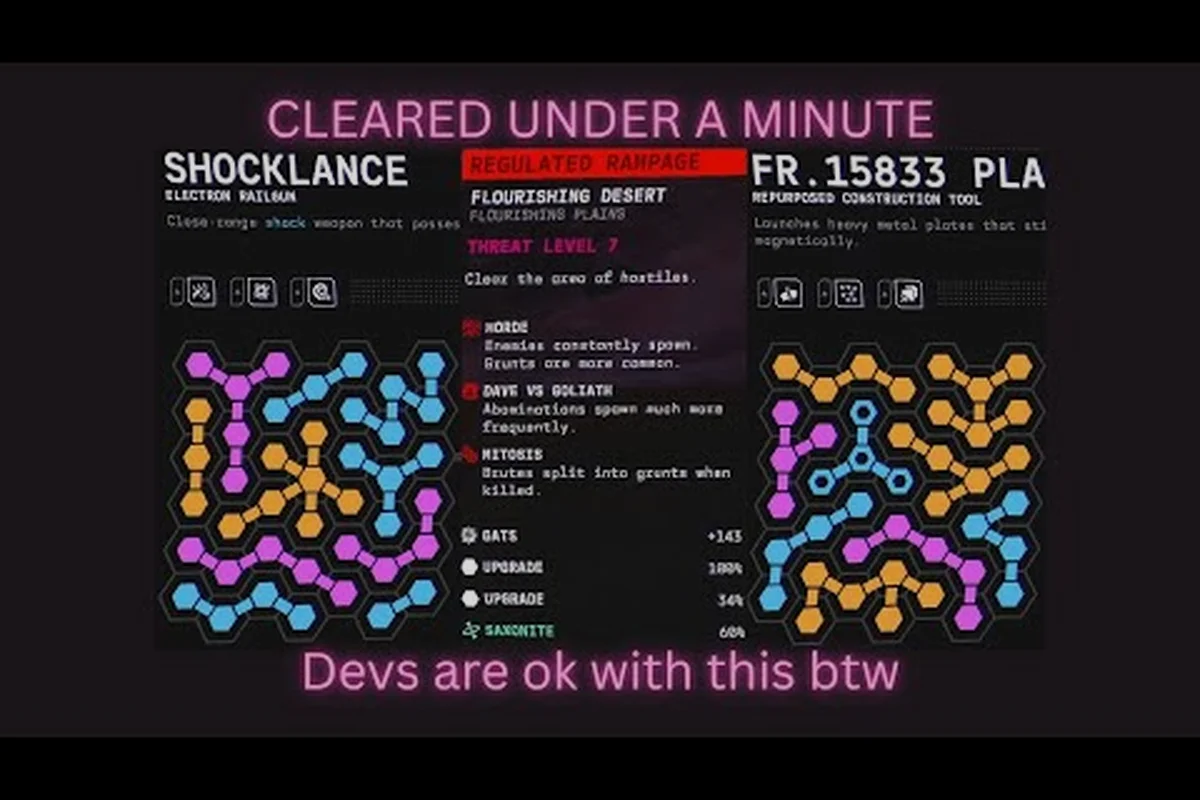
Mycopunk Upgrade Build Guide: Drops, Farming & Stat Optimization
Build smarter with the Mycopunk upgrade build guide — learn drop sources, efficient farming routes, and stat optimization for peak performance.

Mycopunk Upgrades List: Every Type, Rarity & Grid Pattern
Browse the full Mycopunk upgrades list — explore every rarity tier, grid pattern size, and standard to contraband upgrade you can slot into your build.
All Articles

Mycopunk Upgrade Stacking: Pattern Rotation & Boosting Guide
Master Mycopunk upgrade stacking — learn how pattern rotation, resource boosting, and stat rolls combine to maximize every slot in your build.

Mycopunk Upgrade Stat Ranges: Cleanse, Favorites & Turbos
Dive into Mycopunk upgrade stat ranges — understand cleansing, favorite slots, and how turbocharging shifts rolls for stronger outcomes.
Mycopunk Undiscovered Upgrades: Antimass, Turbocharge & More
Unlock Mycopunk undiscovered upgrades by farming Antimass Substrate, Strange Components, and turbocharging rare patterns to power your arsenal.
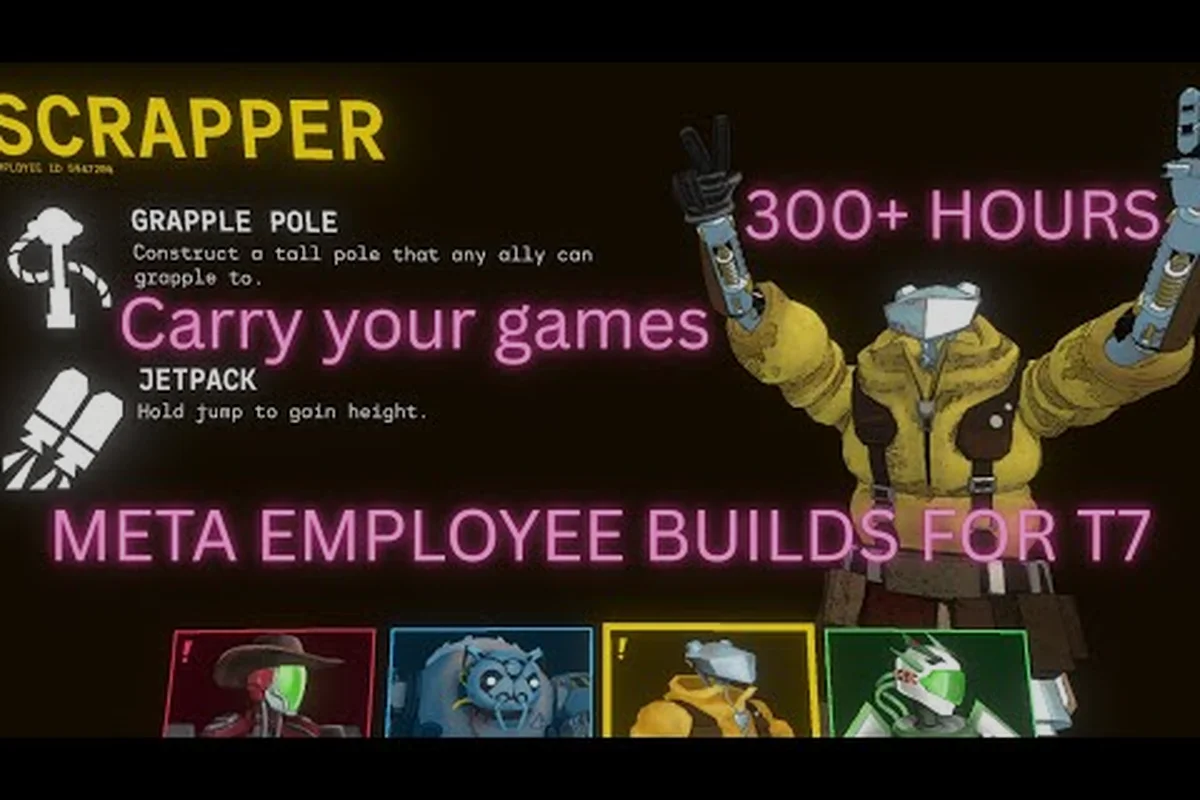
Mycopunk Employee Upgrades: Weapons, Grenades & Best Combos
Compare Mycopunk employee upgrades across weapons and grenades — find the best combos, top tier picks, and synergies that define strong builds.